
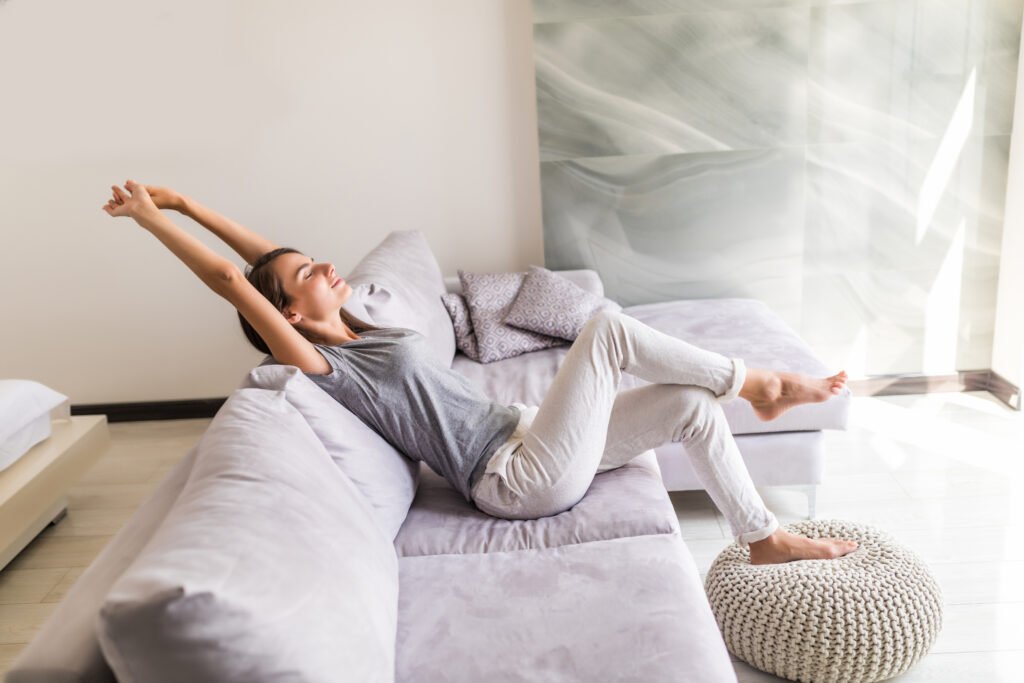
Indoor air quality matters because most of us spend the majority of our time indoors. The good news is you do not need to overhaul your house to make meaningful improvements. A few targeted moves can reduce the most common indoor pollutants and make your home feel better day to day.
What “bad indoor air” usually is
Most indoor air problems fall into a few buckets:
- Particles (PM2.5 and PM10): dust, pollen, smoke, pet dander, and fine combustion particles. These are often the biggest driver of symptoms.
- Gases and vapors (VOCs): off-gassing from paints, finishes, cleaners, fragrances, and new furniture. Odors are a clue but not a perfect proxy for risk.
- Combustion pollutants: from gas stoves, fireplaces, candles, and attached garages. These can include nitrogen dioxide and carbon monoxide.
- Humidity issues: air that is too humid or too dry can worsen comfort and exacerbate allergens and mold risk.
- Biological allergens: mold spores, dust mites, and pet allergens.
You do not need to solve everything at once. Focus on the pollutants most likely in your home and the changes that are easiest to sustain.
Step 1: Know what you are trying to fix
Start with simple signals:
- Symptoms that improve when you leave home or worsen at night can indicate air quality or humidity issues.
- Lingering cooking odors or smoke suggest a ventilation gap.
- Musty smells and condensation suggest high humidity or mold risk.
- Visible dust accumulation can point to filtration or housekeeping issues, but it does not always correlate with fine particles.
If you want a quick measurement baseline, a basic indoor air monitor can help with trend awareness, but you do not need one to make progress.
Step 2: Fix the big three in order
1) Control sources
The best air cleaner is the one you do not need because the pollutant is not being generated.
High-impact source controls:
- Avoid indoor smoking and minimize candles/incense.
- Use fragrance-free products when possible. Fragrance is a common trigger even when a product is marketed as “natural.”
- Choose low-VOC paints and finishes for projects, and ventilate well during and after.
- Treat the garage as a separate zone. Do not idle cars in an attached garage. Keep the door between garage and house well sealed.
2) Ventilate
Ventilation dilutes indoor pollutants by bringing in outdoor air.
Practical ventilation habits:
- Use kitchen and bathroom exhaust fans consistently.
- When cooking, use the range hood every time and run it a few minutes after you finish.
- If weather allows and outdoor air is reasonable, open windows to flush the space after painting, cleaning, or big cooking sessions.
If your range hood recirculates instead of venting outside, it helps less. A vented hood is better, especially for gas cooking.
3) Filter the air
Filtration is the most effective way to reduce particles, including pollen and smoke.
Your main options:
- Portable air purifiers for bedrooms and living areas.
- HVAC filters for whole-home systems (if you have forced air heating and cooling).
A good portable purifier can move the needle quickly, especially in bedrooms.
Air purifiers: how to choose without overthinking it
Three factors matter most:
Room size
Pick a purifier sized for the room, not your entire home. If you are between sizes, go larger so you can run it on a quieter setting.
CADR (Clean Air Delivery Rate)
CADR is a measure of how quickly the unit removes particles. Higher is generally better, but noise increases at the highest fan settings. The goal is a purifier that performs well on medium speed so you actually run it.
Noise
If it is going in a bedroom, quiet matters. A purifier that is loud will be turned off, which makes it useless. Prioritize units known for low noise at effective settings.
What to avoid:
- Ionizers or ozone claims. Many people prefer to avoid these features.
- Overblown “medical grade” marketing without clear performance data.
HVAC filtration: a low-effort win
If you have forced air heating and cooling, your HVAC filter can help reduce particles across the home.
Basic guidance:
- Use a quality pleated filter and replace it on schedule.
- Higher MERV is not always better if it restricts airflow in your system. If you are unsure, start with a moderate option and monitor airflow and comfort.
If you do not have a forced air system, portable purifiers are usually the best next step.
Humidity: the overlooked driver of comfort and mold
A good target range is often around 30–50% relative humidity, but homes vary.
- If your home is consistently above 55–60%, you increase mold and dust mite risk.
- If it is very dry, you may feel irritation in eyes and throat and may notice static and dry skin.
Use a dehumidifier in problem areas like basements. Address water intrusion and drainage issues first if you have persistent dampness.
Cooking and combustion: where a lot of problems start
Cooking is a major source of indoor particles. Combustion appliances can also generate irritants.
Practical steps:
- Use the range hood every time you cook.
- Avoid running a gas stove without ventilation.
- If you have frequent cooking smoke, consider adding a purifier near the kitchen and one in the adjacent living area.
A simple room-by-room starter plan
Bedroom (highest priority)
- Put a properly sized purifier in the bedroom.
- Keep the door closed at night if it helps maintain clean air.
- Wash bedding regularly and consider allergen covers if dust mites are an issue.
Living room
- Add a purifier if you spend significant time there or have pets.
- Vacuum with a HEPA vacuum if possible.
Kitchen
- Use range hood consistently.
- Consider a purifier nearby if cooking is frequent.
Basement
- Watch humidity and use a dehumidifier if needed.
- Address dampness and drainage first.
Common mistakes to avoid
- Buying an underpowered purifier and running it on “turbo” only occasionally.
- Focusing on fancy features instead of sizing, CADR, and noise.
- Treating odors as the only signal. Fine particles can be a bigger issue even when nothing smells.
- Ignoring humidity, which can quietly drive mold and allergen load.
FAQ
Do I need an air purifier if I already have HVAC?
HVAC filters help, but a bedroom purifier often provides a noticeable improvement because it targets the air you breathe most while sleeping.
Are carbon filters worth it?
Carbon can help with some odors and gases, but most people should prioritize particle filtration first. For smoke and allergies, HEPA performance matters most.
How many purifiers do I need?
Start with one in the bedroom. If you notice improvement, add one to the main living area.
Is “HEPA-type” good enough?
Often not. Look for clear HEPA claims and performance data rather than vague wording.
Bottom line
For most homes, the fastest improvements come from: reducing obvious sources, using ventilation consistently, controlling humidity, and adding a properly sized HEPA air purifier where you sleep. Start small, build habits, and expand only after you see what helps.